In 2025, building a mobile app is not just writing code; it’s about creating value, addressing real-world problems, and making money from downloads. With over 250 billion app downloads expected worldwide and mobile users spending more than 4 hours daily on their phones, opportunities for building a profitable app have never been this real.
The truth is that launching an app does not guarantee success. The App Store and Google Play have become crowded battlegrounds for such purposes.
That’s precisely what this guide will do. It will walk you through the steps you’ll need to take from concept to cash flow. So whether you’re an independent indie dev, founder of a startup, or even just interested in getting ideas flowing for your first app, you’ll find instruction on:
- Choosing a hot niche with high potential,
- Selecting an appropriate monetization model,
- Efficient build and launch.
- Finally, scale your app into a revenue-generating machine.
Let’s start and make this happen for all who had their app dreams in 2025.
Benefits of Building a Mobile App
Nowadays, developing a mobile app is an actual business opportunity. Here are the biggest reasons why making an app in 2025 will be a life-changing experience:
Enormous Income Potential: Mobile applications generated worldwide revenue of more than $900 billion in 2024 and are on the rise. That number is still growing. There are endless ways to monetize, from in-app purchases to subscription models, even for solo developers or small teams.
Passive or Scalable Income: Once an app is launched and optimized, it can run and earn a lot of money with the click of a button if the strategy is right. This means you can earn money while sleeping or working on your next project. Adopting the right strategy allows you to scale to a few thousand or even a million users.
Global Reach from Day One: With app stores available in more than 150 countries, your product instantly gains international stature. There is no need for a physical store, a shipping system, or local teams, just a great app and the right marketing plan.
Almost No Barrier to Entry: No-code and low-code platforms like FlutterFlow, Adalo, and Glide are making it easier than ever to create and launch apps, provided that a person has the will to do so—the code-not-required-empowers more people-creators, marketers, and designers to lean on their knowledge and imagination.
Build Assets for the Long Haul: Remember, an app isn’t just a product; it’s a digital asset. If it gains traction, someone might buy it, someone else might franchise it, or, more importantly, it may be used as a vehicle for starting future business models. Think of an app as a startup you can grow from your laptop.
Opposite view
Building an app is exciting and inspiring, but it doesn’t happen for everyone. There are millions of apps on the App Store and Google Play, and unless your app is unique or truly useful, it can be lost among many.
Hundreds of people develop applications but make little to no money with them; worse, they just give up because they cannot attract enough users. Keeping an application running is not a simple task; the app has to be debugged and updated regularly, and time and effort are required for the long haul.
Thus, even if it’s easier now to initiate building an app, it is still a serious challenge.
6-Step Build a Mobile App That Makes Money
Step 1: Identify a Profitable App Idea
The first and most crucial step in developing a profitable app is developing an idea that people will want. A profitable app most frequently solves a real problem, saves time, or delivers fun in a new and engaging way. Don’t make something just because it sounds fun; ensure there’s demand.
A good place to begin is by examining your daily routine. Is there something that feels frustrating, routine, or dull that an app might make better? If it irritates you, it irks others as well.
You can also look up the App Store or Google Play for apps with poor reviews or minimal features. Online communities like Reddit or product launch platforms like Product Hunt are good places to find trending needs or under-served markets.

Source: Product Hunt
Remember that narrow is often better than broad. An app that solves one specific problem for a particular group will likely have more dedicated users and face less competition.
Step 2: Choose a Monetization Strategy
So you have your app idea; now it is time to turn it into a business with a good monetization model. Choosing the right monetization strategy is very important for your income and for how users experience your app.
There are well-known ways of making money with an app, and which way you choose depends on which kind of app you build and the audience.
1. In-App Purchases
This is one of the most common ways to monetize free apps. The app is free to download, but users can acquire extra features, consumables, or content. You would find this in game apps, fitness apps, or any app that offers premium content.
2. Subscription
If your app offers constant value, updated content, exclusive features, or services, a subscription-based model will work well for you since it leads to a guaranteed revenue stream. This model includes streaming services, news apps, and productivity tools.
3. Advertising
This is another widely adopted monetizing strategy, especially if your application has wide user consumption. You generate revenue for every impression or click generated by ads seen by the application users. However, too many ads can annoy users, so finding a balance is essential.
4. Paid Apps
If your app offers something unique or valuable, you can charge users a one-time fee to download it. This strategy best works for apps offering high-quality, niche, or highly anticipated features.
5. The Freemium Model
With the freemium model, you offer a free basic version of the app and charge users for access to premium features or advanced tools. This model is popular with productivity apps, editing tools, and other apps offering basic and advanced functionality.
6. Affiliate Marketing
Another popular monetization method is Affiliate Marketing. With this, you can earn money by promoting other people’s products or services within your app and earning a commission on each successful transaction or conversion.
For example, if you have a sports-related app, you might cooperate with sports stores. If your app is for travel purposes, you might be involved with travel booking agencies’ affiliate programs or sell air tickets. Affiliate marketing proves especially successful if you have a large and active user base.
Step 3: Plan Your MVP (Minimum Viable Product)
Once you have your app idea and how you’ll monetize it, your next mission is to build a Minimum Viable Product (MVP), essentially a stripped-down version of your app. An MVP allows you to test your concept and hear back from users without wasting time and money.
First, you need to establish the minimum features of your app. Be disciplined to include only what is strictly necessary to fix the problem that your app is designed to address. Don’t even consider adding more or fancy features until you have feedback from your users. You want to make a bare-bones working version that is enough to acquire and retain users.
Your MVP should be straightforward to use. This is not the time to include complex functions or intricate designs. It’s about providing the best user experience with simple, functional elements. While building your MVP, think low-key, practical, and minimalist rather than flawless.
Secondly, try to grow rapidly and cost-effectively. You don’t need a wholly developed app at once. Use tools, platforms, or no-code technology to reduce infrastructure and timeline costs. Outsource or hire freelancers to support development without exceeding the budget.
Once you launch your MVP, collect feedback and iterate. Get people to use your app and inform you about what’s good and bad about it. This feedback will help refine your product and develop the improvement roadmap. Keep improving your app and adding features as you gain user interest and downloads.
Pro tip:
Before you write a single line of code, create a clickable prototype using free tools like Figma or Marvel. Share it with potential users to validate your idea and workflow. This can save you weeks of development time and help you avoid building features nobody wants.
Step 4: Build a Mobile App or Outsource Development
If you know how to code or have a coder among your team members, you can build the app with Flutter, React Native, or Swift. These tools help you build iOS and Android apps without much hassle. Building it yourself means you can always make changes at any given point and save money, but it will take time and effort.
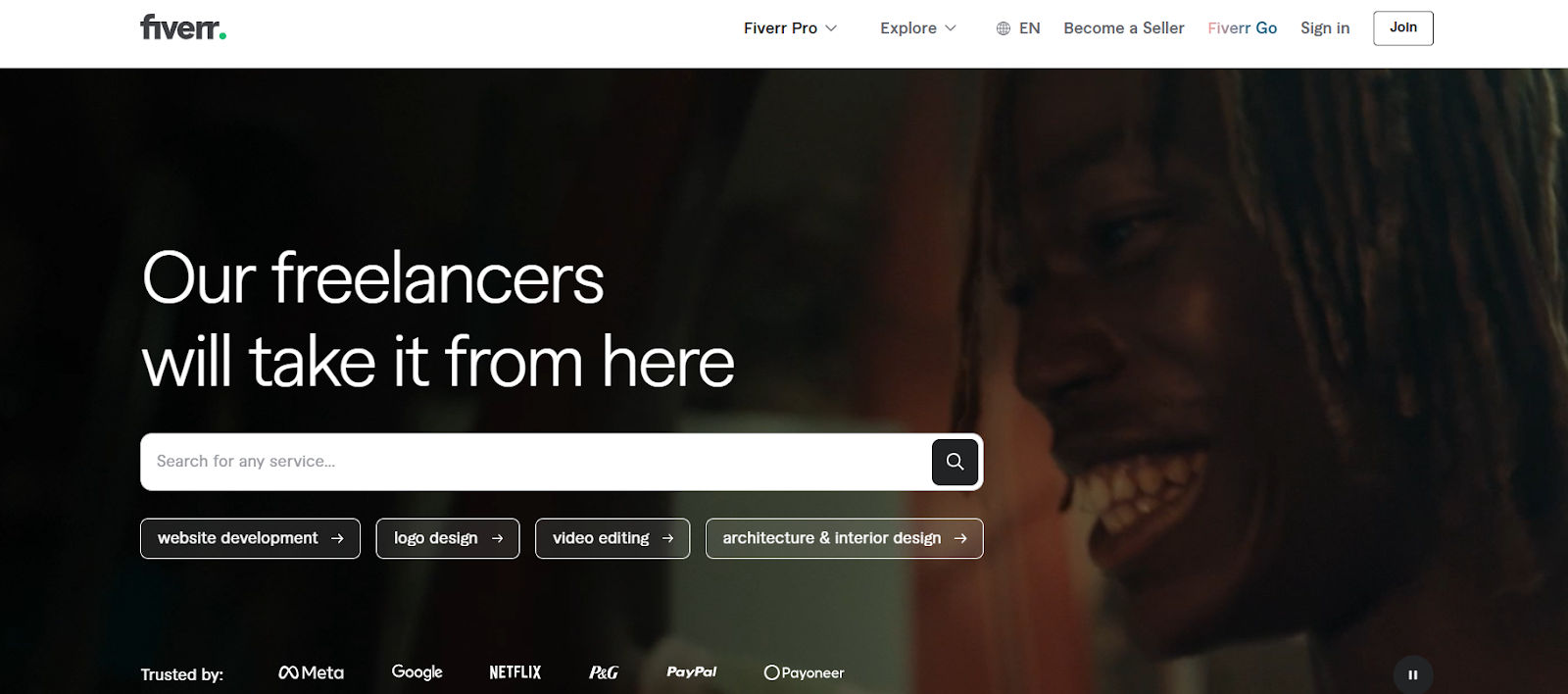
If you are not a developer, the best option is to outsource. You can hire a freelancer from Upwork or Fiverr or a development agency. While outsourcing, have a clear list of features, give examples of what you require, and ask for a timeline and price quote. Always see their past work and reviews before you hire them.
Whatever your approach, ensure you’re frequently testing the app throughout development. Catch bugs early and maintain the app stable and straightforward, just as with your MVP strategy.
Source: Fiverr
Expert Opinion: Wojciech Filipek
No-code app builders are excellent alternatives for those who don’t have the coding knowledge to create their own apps. This type of platform allows you to quickly and easily create an app using drag-and-drop tools, customizable templates, and other features.
Step 5: App Store Optimization (ASO) & Launch Strategy
You want to help people find and download your app easily before it is launched. The practice of App Store Optimization is performed here. App Store Optimization is similar to Search Engine Optimization but for app stores.
Pick a descriptive and catchy name, summarize the app description compellingly, and highlight the keywords your target users would search for. Ensure you include highly flattering screenshots and a quick video showing app functionality. This improves credibility and helps facilitate downloads.
Moving on to the launch strategy, soft launching is an option, which means releasing the app in a small market for testing and debugging purposes before full-scale circulation. Promote your app through social platforms. If you have some extra budget, ads on platforms like Facebook, Instagram, or TikTok will also help with visibility celebrated in launch week.
Step 6: Scale and Optimize Monetization
Once your app has users, it’s time to work on making more money and expanding. First, examine how your users are using your app. What features do they use most? Where are they dropping off? Use tools such as Firebase or Mixpanel to monitor this. According to the data, enhance user experience and eliminate whatever is slowing them down.
Then, monetize as best you can if you’re showing ads, and test ad position to maximize revenue without annoying users. If you’re selling in-app content or subscriptions, test adding new or premium features to add value.
Invest in advertising, optimize your ASO, and consider launching in more countries. Referral schemes, rewards for loyalty, or partnerships with other apps can also increase users and profits. Scaling is all about incremental adjustments over time; each tweak can increase downloads, better retention, and revenue.
Conclusion
Building a successful mobile app in 2025 is not about luck but strategy. From discovering a real-world problem to selecting the right monetization approach, designing a smart MVP, optimizing your release, and scaling based on real numbers, every move counts.
With the right strategy, even tiny teams or solo developers can transform a simple app concept into a viable digital venture. So go ahead and jump, test smart, and continue to hone. The potential is out there; go create it.
Frequently Asked Questions

Choose an idea that represents a real-life problem, fulfills an unmet need, and has a large crowd. Focus on people’s daily problems and think about how you can save them time or make them enjoy themselves.
You can earn money through in-app advertisements, subscription plans, in-app purchases, or the freemium model, which offers premium features to paying customers.
You can develop apps with tools like Flutter, Adalo, or Glide without coding. These tools allow you to develop apps easily without much programming skill.
This will depend on your marketing strategy, app quality, and monetization model. Typically, you will take some time to acquire users and tweak the app so that you earn significant revenue.
You need to optimize for App Store Optimization (ASO), e.g., smart app names, descriptions, and keywords. Advertising through social media, influencer partnerships, and advertising are all wonderful ways of increasing visibility.