When it comes to growth, many businesses focus heavily on acquisition. The likelihood of closing a sale with a new prospect typically falls between 5–20%, whereas the probability of selling to an existing customer is much higher, ranging from 60–70%.
Small improvements in how you manage relationships and deliver day-to-day experiences can have a far greater impact on long-term revenue. Below are the best strategies you can implement to improve your agency client retention, reduce churn, and build long-term revenue, without overcomplicating your operations or overloading your team.

The Root Causes of Client Churn
Client churn rarely happens for a single reason; it’s usually the result of multiple friction points building over time. To reduce churn effectively, agencies need to understand the underlying reasons:
- Poor client experience: When deliverables fall short of expectations or communication is unclear, clients begin to question the value of the relationship. Interestingly, it’s often the small, everyday issues – missed deadlines, slow responses, minor mistakes – that add up and do more damage than rare major failures.
- Weak onboarding and early-stage confusion: The first interactions a client has with your agency set the tone. If onboarding feels overwhelming, disorganized, or unclear, clients may disengage before they ever see results.
- Lack of engagement and perceived value: Clients want to feel heard, supported, and important. If communication becomes reactive, or if clients feel like just another account, they’re far more likely to explore alternatives.
- Failure to deliver measurable outcomes: If clients don’t achieve their desired results or can’t clearly see progress, they’ll assume your services aren’t working.
- External pressure: Clients are constantly exposed to new agencies and better offers. With low switching barriers, even satisfied clients may leave if a competitor appears to offer more value, better pricing, or more innovative services.
- Service quality issues: Whether it’s underperforming campaigns, outdated strategies, or inconsistent execution, any perceived drop in quality weakens confidence.
- Pricing sensitivity: If clients feel your services are too expensive relative to the value delivered or if pricing increases aren’t justified, they may look elsewhere.
Client retention requires a careful balance. It’s not just about delivering great results or being highly responsive – it’s about consistently aligning expectations, communicating value, and maintaining a strong relationship throughout the engagement.
That’s what the following strategies are designed to help you achieve.

#1. Understand the Real Cost of Client Churn
Client retention is one of the biggest drivers of long-term profitability for any agency. Customer churn costs businesses in the United States an estimated $168 billion annually. When a client leaves, you lose not only their recurring revenue but also the future value they would have generated. Long-term clients typically spend more, require less onboarding, and are more likely to purchase additional services.
Moreover, clients who leave dissatisfied may share negative feedback. Churn also opens the door for competitors to capture your market share. In competitive environments, especially when budgets are tight, clients are quicker to switch to agencies that demonstrate clearer value.

#2. Benchmark Your Retention Performance
Do measure how well you’re actually retaining clients, and how that performance compares to industry standards. Benchmarking your retention performance gives you a clear baseline and also allows you to set realistic goals and track whether your retention strategies are working.
Identify the core retention metrics that matter most for your agency. These typically include: client retention rate, churn rate, repeat engagement rate, and client lifetime value.
It’s not enough to simply track these numbers. You need to calculate them consistently using clear formulas and align them with your specific business model. For example, agencies operating on retainers or subscription-style services should pay close attention to monthly retention rates, while project-based agencies may focus more on repeat business and lifetime value.
Benchmarking is where these metrics become actionable. Comparing your performance to industry expectations helps you spot gaps and opportunities. In the B2B services industry, for instance, the median retention rate is 83% (CustomerGauge). The key is to understand what “good” looks like in your niche and use that as a reference point.

#3. Engineer the First 90 Days for Retention
The first 90 days with a new client are crucial. This is when you set the tone for trust and long-term success. If you get this part right, you’re much more likely to keep the client for the long haul.
Set clear and realistic expectations from day one. Be transparent about what you can control (strategy, execution, reporting) and what you can’t (market conditions, client responsiveness, budget limitations). Make sure both sides know their roles and responsibilities from the outset.
Be upfront about what your agency will deliver, how you’ll measure success, and timelines. Overpromising might win a deal, but it often leads to disappointment later. Instead, define achievable outcomes and then aim to exceed them.
Also, every department involved – sales, onboarding, account management, and delivery – should be working toward the same client expectations.

#4. Optimize Client Experience
Missed deadlines, inconsistent processes, or slow responses all create a poor overall experience. That’s why improving client experience is about consistently delivering a smooth, reliable, and thoughtful experience at every touchpoint.
- Your team is the front line of client experience. Invest in training, clear processes, and internal alignment so every team member knows how to handle client interactions effectively.
- Regular surveys, check-ins, and informal feedback loops help you understand how clients actually feel about the experience you’re delivering. Don’t wait for clients to complain.
- More importantly, act on that feedback. When clients see their input leading to real improvements, it reinforces that you value the relationship and are committed to getting better.
>>> How to Scale Your Agency to Grow Without Burnout

#5. Prove ROI in Every Report
Clients stay when they can clearly see the value you’re delivering. That’s why every report your agency produces should prove results in a way that’s measurable, objective, and tied directly to client goals.
When you’re reporting to clients, focus on linking your team’s work to the results that matter most to their business. For instance, rather than just saying that “website traffic went up by 15%”, explain what that actually means – did it lead to more leads or sales? Whenever you can, put results in financial terms.
It’s also important to map each activity to a specific goal. For example, if you’re producing content, tie it to lead generation or SEO-driven revenue. If you’re optimizing ads, show how your changes lowered cost per acquisition or increased return on ad spend.
Don’t wait until the end of a campaign to demonstrate ROI. Reinforce value consistently in every report and check-in.

#6. Communicate Proactively
If you’re relying on clients to get in touch first, you’re missing a trick. It’s much better to be proactive: keep clients in the loop with updates before they have to ask, offer new ideas on a regular basis, and check in from time to time, even when everything seems to be going well.
When issues arise, fast and transparent support can actually strengthen trust, showing clients that they’re in capable hands. Set internal standards for response times and resolution processes. Ensure your team knows how to escalate issues quickly and communicate clearly while solutions are being worked on.
Personalization and attention also go a long way in reinforcing their importance.

#7. Build a Clear Success Roadmap
Collaborate with clients to co-create the roadmap during onboarding.
- Define a few core objectives and document current performance metrics to track progress over time.
- With goals in place, map out milestones and timelines. Break the roadmap into phases and structure them across quarterly periods. Within each phase, define 4–6 key milestones.
- Instead of listing tasks, define what each phase is meant to achieve. Each milestone should have a measurable outcome, such as improving conversion rates or increasing the number of qualified leads.
- Assign clear ownership. Both your team and client should understand their roles in achieving each milestone.

#8. Use Structured Account Management
Set a clear schedule for communication. For example, you might arrange weekly or biweekly check-ins, hold monthly performance reviews, and plan quarterly strategy sessions.
It’s also important to standardize the format for your reports. When clients see information presented the same way each time, it’s much easier for them to follow progress and notice patterns.
In addition to regular meetings, make sure clients know how to reach you for day-to-day questions or updates. This could be through email or a messaging platform. The key is that clients always know where to go for quick feedback.

#9. Align Internal Teams
Misalignment between teams is a frequent and avoidable reason for customer churn. When sales, account management, delivery, and operations aren’t working toward the same goals, clients experience gaps and unmet expectations.
Set your team up for success with the right skills and tools. Ongoing training is necessary, especially in areas like active listening, communication, and conflict resolution. Alignment must be operational. Every team should be working from the same understanding of client goals, success metrics, and expectations.
It’s also important to standardize communication and processes. When reporting, meeting structures, and workflows remain consistent, clients experience less disruption, even if team members change.

#10. Evolve With Client Needs
Client expectations don’t stand still. To keep clients for the long term, your agency needs to adapt as their needs evolve. This requires staying close to their business and proactively adjusting your strategy to support their next stage of growth.
The best way to do this is through ongoing, open conversations. Ask thoughtful questions, explore their changing priorities, and listen closely to uncover underlying challenges.
Trust is built through this process. Being transparent about what’s possible (and what isn’t) strengthens credibility. Clients are far more likely to remain loyal to an agency that provides honest advice and collaborates with them than to one that simply says “yes” to everything.

#11. Use Horizon Planning
Horizon planning is about helping clients prepare for future opportunities, risks, and growth stages. This requires a deep understanding of the client’s industry, business model, and growth trajectory. What challenges are likely to emerge as they scale? What new channels, tools, or strategies will become relevant in the near future?

#12. Use Tools to Support Client Retention
Tools can help improve how you manage clients and help your team stay organized, responsive, and consistent:
- CRM systems (HubSpot CRM, Salesforce, etc.): Help you track client interactions, manage relationships, and maintain a complete view of each account.
- Project management tools (such as Asana, Trello): Keep work organized, deadlines clear, and collaboration smooth between your team and the client.
- Communication tools (eg, Slack): Enable faster, more transparent communication.
- Client feedback & survey tools (e.g., Typeform, SurveyMonkey): Allow clients to share satisfaction levels, concerns, or suggestions.
- Billing & subscription management tools (e.g., Stripe, QuickBooks): Subscription-based billing, clear invoicing, and automated payment reminders reduce friction and prevent pricing misunderstandings.
- AI-powered tools (like ChatGPT, Notion AI, Microsoft Copilot): Help automate repetitive tasks or summarize emails or meetings.
Specific agencies rely on their own specialized tools and platforms tailored to their core services. For instance, SEO agencies often depend on platforms like Ahrefs or SEMrush, while social media agencies may prioritize tools such as Hootsuite or Buffer to manage and report on content performance.
SEO and website development agencies can use hosting services such as WPX Hosting to manage the hosting side for client websites. Creative agencies, on the other hand, focus more on design and collaboration software like Figma.
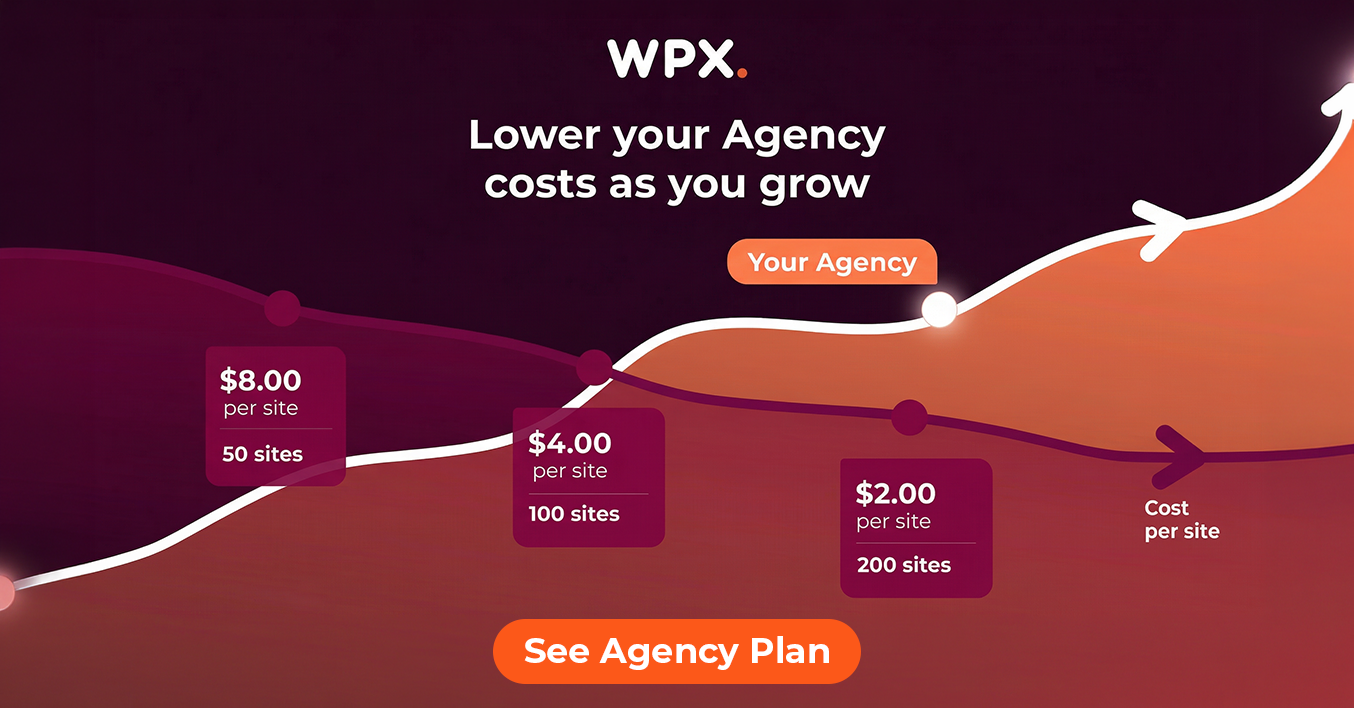
It’s essential to use niche-specific stacks to deliver better results and streamline workflows – ultimately, agencies can provide value to clients and improve client retention.

#13. Understand the Psychology Behind Client Churn
In many industries, a lot of customers don’t feel a strong attachment to any one brand. This means you can’t assume that a satisfied client will automatically stay – every renewal or new project is effectively a fresh decision.
Salesforce reported that 61% of customers say it’s difficult for companies to earn their trust. Clients can easily compare companies, pricing, and results at any time today. With so many options available, they feel compelled to explore alternatives, especially if they believe they might get better value elsewhere.
Since more than half of customers are willing to switch providers between purchase cycles, no relationship is ever fully secure, but neither is any competitor’s. That means retention isn’t about locking clients in; it’s about consistently re-earning their trust and demonstrating value.
If your agency understands these psychological dynamics, take a proactive approach. Reinforce trust through transparency, consistently communicate results, and stay attuned to shifting client expectations. Treat every interaction as a chance to prove why they’re still the best choice.
Clients are also likely to be influenced by peers, reviews, and online opinions. This makes reputation, social proof, and client advocacy important. Keeping your website fresh with helpful blog posts, case studies, and thought leadership content is a good way to show your expertise and earn trust.
>>> 9 Best SEO Web Hosting Services
Conclusion
Ultimately, strong client retention comes down to consistency, alignment, and continuous improvement. You can’t focus solely on results without nurturing the relationship, and you can’t rely on great communication to compensate for weak performance. A strong retention strategy creates a structure where your team can deliver high-quality work and maintain meaningful client relationships.