Succeeding as an agency owner takes more than talent, hustle, and a strong client roster. To grow steadily, you need reliable, scalable revenue streams. That’s why recurring revenue matters. In a Productive’s report, Close to 60% of agencies said that more than half of their yearly revenue comes from recurring sources.
There are many ways to structure a profitable agency, but generating dependable income consistently is less likely to get stuck constantly chasing new clients. Recurring revenue also helps you build stronger client relationships and increase the value of each account.
The Reasons Why Recurring Revenue Is Critical for Agencies
Recurring revenue transforms an agency’s income from unpredictable, project-based payments into a more stable and reliable stream. With retainers, subscriptions, or managed services, agencies gain clear visibility into their monthly income. This makes it much easier to plan budgets and manage overhead, and it also reduces the stress that comes with inconsistent sales pipelines.
Consistent revenue also makes it easier to scale. When revenue is consistent, agencies can invest in new hires, tools, and improved systems without fearing sudden downturns. At the same time, ongoing service agreements help balance workloads, preventing the constant cycle of ramping teams up and down for one-off projects.
Beyond operations, recurring models build stronger client relationships. Ongoing services such as SEO, paid media, or CRM keep agencies engaged with a client’s business over the long term. This leads to higher customer lifetime value, lower acquisition costs, and greater trust.
From a financial perspective, predictable income greatly increases business value. Investors and buyers view recurring revenue as lower risk, which often results in better funding opportunities and higher valuations when agencies look to scale or exit.
Recurring services also help agencies work more efficiently and protect their profit margins. By offering the same services repeatedly, agencies can standardize their processes, productize their offerings, and automate routine tasks.
Core Recurring Revenue Models Agencies Use Today
The most common approaches include retainers, subscription-based services, and infrastructure-related offerings. All of these models aim to help you build steady revenue, strengthen your client relationships, and keep your operations simple.
Retainers and Ongoing Service Agreements
Retainers are one of the most widely used recurring revenue models. These typically include: SEO, content marketing, paid advertising management, social media management, email marketing, analytics, and consulting/strategy.
For example, content marketing benefits from retainers through continuous blog production, pillar-page updates, and content planning tied to campaigns.
Because results in these areas compound over time, clients benefit from ongoing engagement.
The retainer model works best when the scope of work is defined but flexible enough to evolve as the client’s needs change. Yet, success depends on a clearly defined scope, typically a set number of hours or deliverables per month, and a system for handling overages or scope changes.
>>>10 Proven Ways to Find Clients for a Digital Marketing Agency
Subscription-Based Packages
In subscription-based models, businesses productize recurring services into clearly defined packages with fixed pricing. Instead of custom proposals for every client, agencies create tiered offerings (e.g., Basic, Pro, Enterprise) with fixed deliverables, timelines, and service-level expectations. This might include a set number of blog posts, social media management, or design requests.
This model delivers several advantages for scalability. First, it creates predictable revenue and simplifies capacity planning, as each plan has a known workload. Second, it reduces customization overhead by enabling agencies to reuse workflows, templates, and delivery systems across clients.
In addition, subscription packages create natural upsell paths. Clients can start with a lower-tier plan and upgrade as they see results, increasing revenue per account without requiring entirely new sales efforts.
Hosting, Maintenance, and White-Label Services
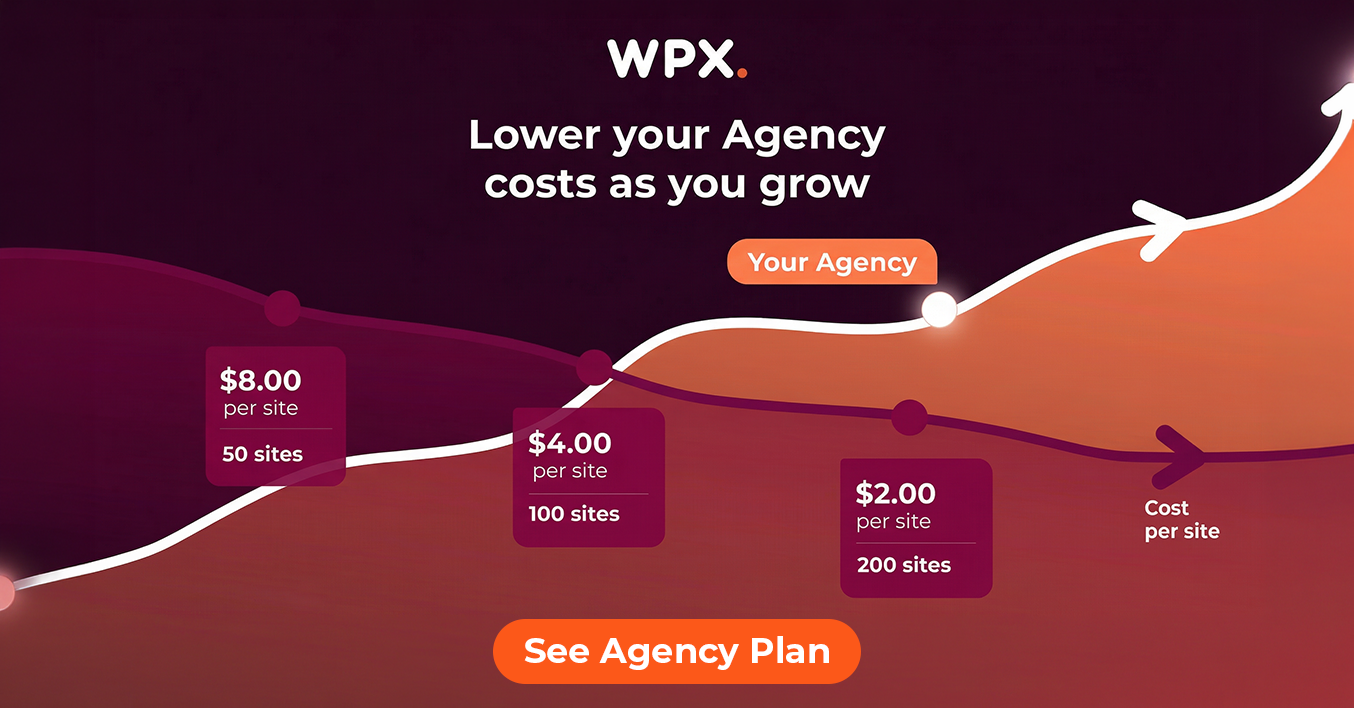
Website hosting, website maintenance, and white-label solutions are among the most attractive recurring revenue streams for agencies due to their high margins and predictability.
These services typically involve low labor per client once systems are established. Agencies purchase hosting or maintenance services at wholesale rates and apply a markup, resulting in strong margins. After the initial setup, tasks such as updates, backups, security monitoring, and performance checks can be automated or outsourced.
You can bundle hosting and maintenance with your main services, such as website development or digital marketing services. For example, a client who hires an agency to build a website may also subscribe to a monthly plan that covers updates, security monitoring, backups, and performance optimization. White-label services, in which agencies resell another provider’s solutions under their own brand, further expand their offerings without adding operational complexity.
They also generate highly “sticky” revenue. Clients rarely cancel hosting or maintenance because their websites depend on these services to function. If you bundle these services well, you get steady, long-term income with low churn. Plus, when you handle both hosting and maintenance, you become a key part of your client’s business, making it harder for clients to switch providers.
How to Transition from Projects to Recurring Revenue
The best way to move towards recurring revenue is to begin with the services you already deliver successfully: identify which of your services are repeatable and in demand. Once you’ve pinpointed these, consider how you can package them into retainer agreements or subscription-based offerings. It’s usually easiest to introduce these new packages to your most loyal or frequent clients first.
- First, audit which services you already deliver repeatedly and identify clients who come back to you often – these are the best candidates for retainer agreements. You can turn these repeat services into output-based retainers or create tiered subscription packages.
- Continue using one-off projects to bring in new clients, but look for opportunities to add ongoing services, such as hosting, SEO, or optimization, after the initial project wraps up.
- To support recurring delivery at scale, set up backend systems for billing and client management. Over the next 6 to 12 months, keep an eye on your revenue mix and aim to gradually increase the share that comes from retainers.
A good time to introduce a recurring offer is right after you’ve completed a successful project. If you notice that a client returns every few months for updates or new content, that’s a sign they’re already behaving like a retainer client. In these cases, suggest formalizing the relationship with a monthly plan.
You can also introduce the idea of a retainer during regular check-ins, such as quarterly or annual reviews. If a client mentions challenges such as inconsistent results or lack of time, use that as an opportunity to position your retainer service as a solution to their ongoing problem.
Keep in mind one thing: clients don’t leave solely when performance drops. Most of the time, they go because they feel out of the loop. If communication is infrequent or your reports sound generic every time, clients start to wonder if nothing meaningful is happening, even if traffic and leads are up. Keep things fresh. Show up with regular check-ins, strategy calls, and quick updates. Let clients see the action, not just the results.
Tools and Platforms to Build Recurring Revenue for Agencies
Tools and platforms are the operational backbone that allow agencies to transform services into scalable, repeatable, and billable monthly revenue streams. By handling infrastructure, automation, and delivery, they reduce manual work and eliminate the need for constant customization as you grow.
Hosting and Infrastructure Platforms
Managed WordPress hosting, agency-focused hosting environments, and global CDNs let you offer website infrastructure as a monthly service. Benefits of managed environments:
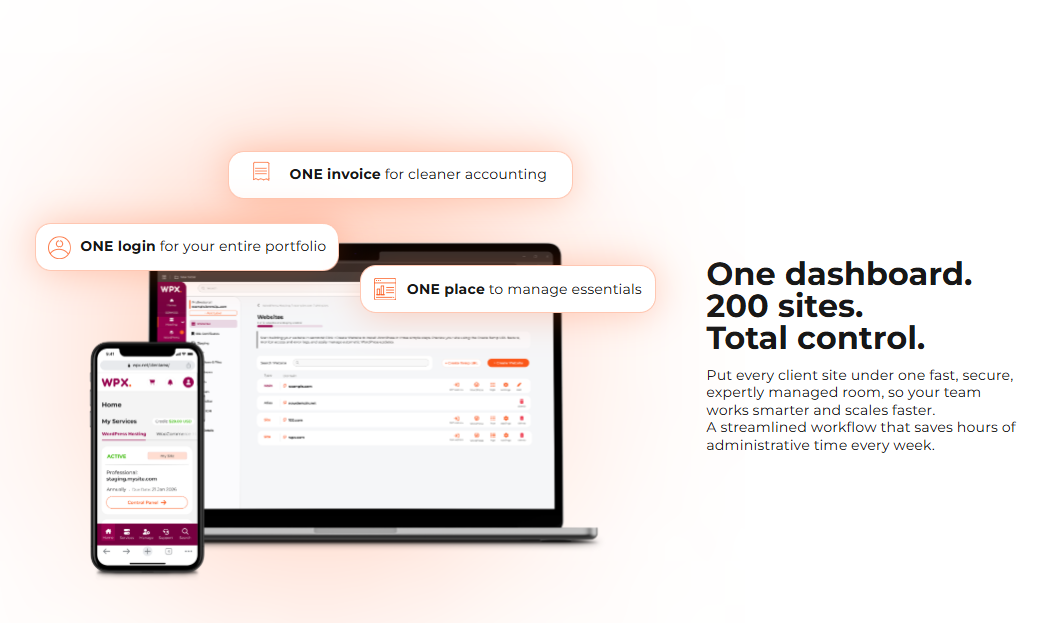
- Centralized control: Managed hosting platforms (eg, WPX Hosting) allow agencies to oversee dozens or even hundreds of client sites from a single dashboard. Tasks like domain management, SSL certificates, backups, and staging environments are handled in one place.
- Speed and reliability: These platforms typically include built-in caching, auto-scaling, and performance optimization. This minimizes the need for manual server management and troubleshooting.
- Easier upsells: When you manage hosting, it’s easier to add services like SEO, content marketing, or paid ads.

Automation and AI-Powered Service Delivery
Automation and AI tools allow agencies to increase output without a proportional increase in team size. Once workflows are designed, they can be replicated across clients, enabling consistent delivery while maintaining healthy margins.
For example:
- Reporting and dashboards: Automated reporting tools can pull data from platforms like Google Ads or Google Analytics to generate weekly or monthly reports for you.
- Client onboarding (HupSpot, Zapiere, etc.):Automated workflows can handle welcome emails, asset collection, call scheduling, and CRM updates.
- Content operations (ChatGPT, Jasper, etc.):AI tools can support content production by generating outlines and suggesting keywords.
>>>How to Scale Your Agency: 9 Steps to Grow Without Burnout
Conclusion
Unless your goal is a quick exit or acquisition, your agency needs to generate predictable revenue relatively early and maintain it over time. This takes some planning, but it’s the key to building a stable business.